


After COVID, digital retail is evolving at warp speed, especially in online shopping, where user experience (UX) has become the deciding factor between conversion and abandonment. Today’s online shoppers demand more than functionality; they are looking for brands that can offer effortless, personalized, and emotionally engaging experiences.
In 2026, UX design will give a critical competitive advantage to the brands that will directly impact trust, loyalty, and revenue. This blog explores the top 10 transformative UX trends that digital retailers must adopt to connect with modern consumers and generate more revenue.
Top 10 Transformative UX Trends in 2026
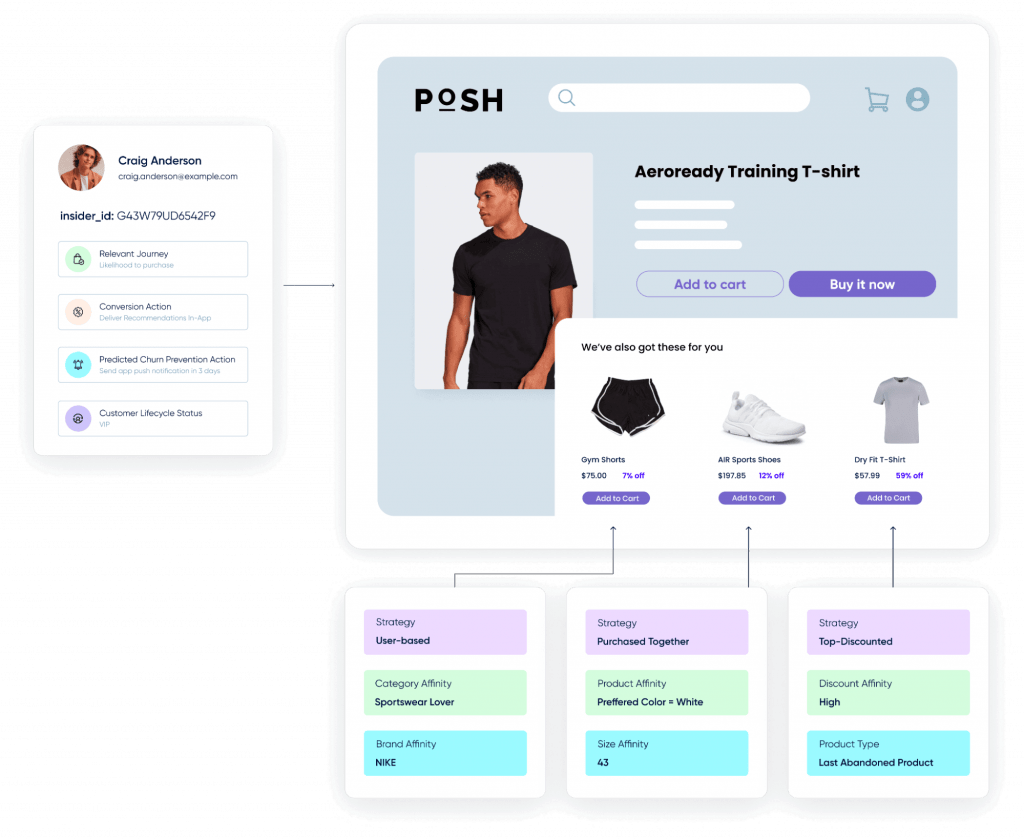
1. Hyper-Personalization Powered by AI
By analyzing user behaviour, preferences, location, and contextual signals, the system delivers uniquely curated product recommendations in real time. It makes modern consumers feel like brands understand them instead of considering them as anonymous visitors.
This will build trust, keep users engaged longer, and increase conversion rate.
2. Conversational Interfaces & Voice UX
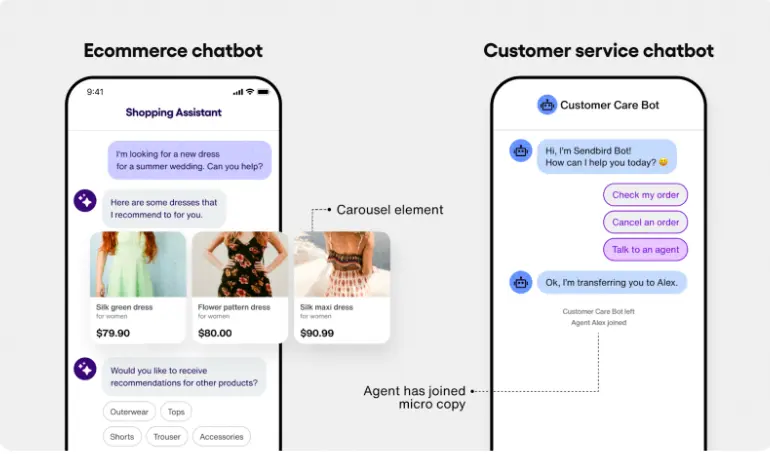
By using conversational interfaces like chatbots, voice assistants, and NLP-powered searches, the system delivers dialogue-driven experiences to consumers. It reduces the friction caused in natural interactions on product discovery, customer service, and even checkout.
This will result in faster answers, hands-free browsing, and improved brand interaction with customers.
3. Immersive AR/VR Shopping Experiences
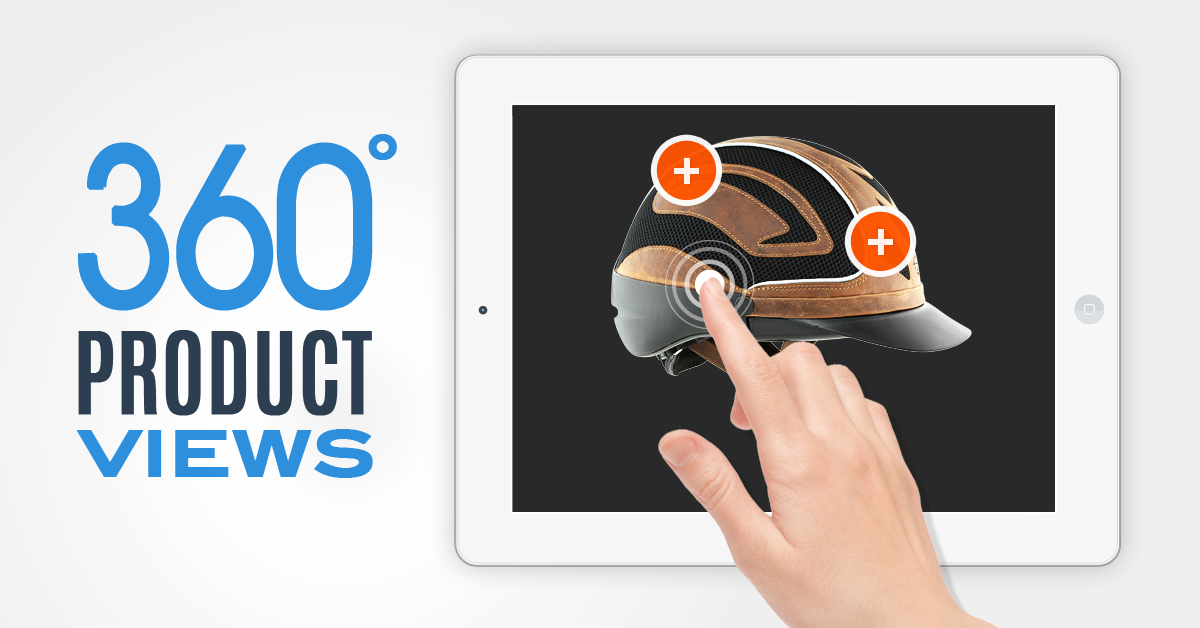
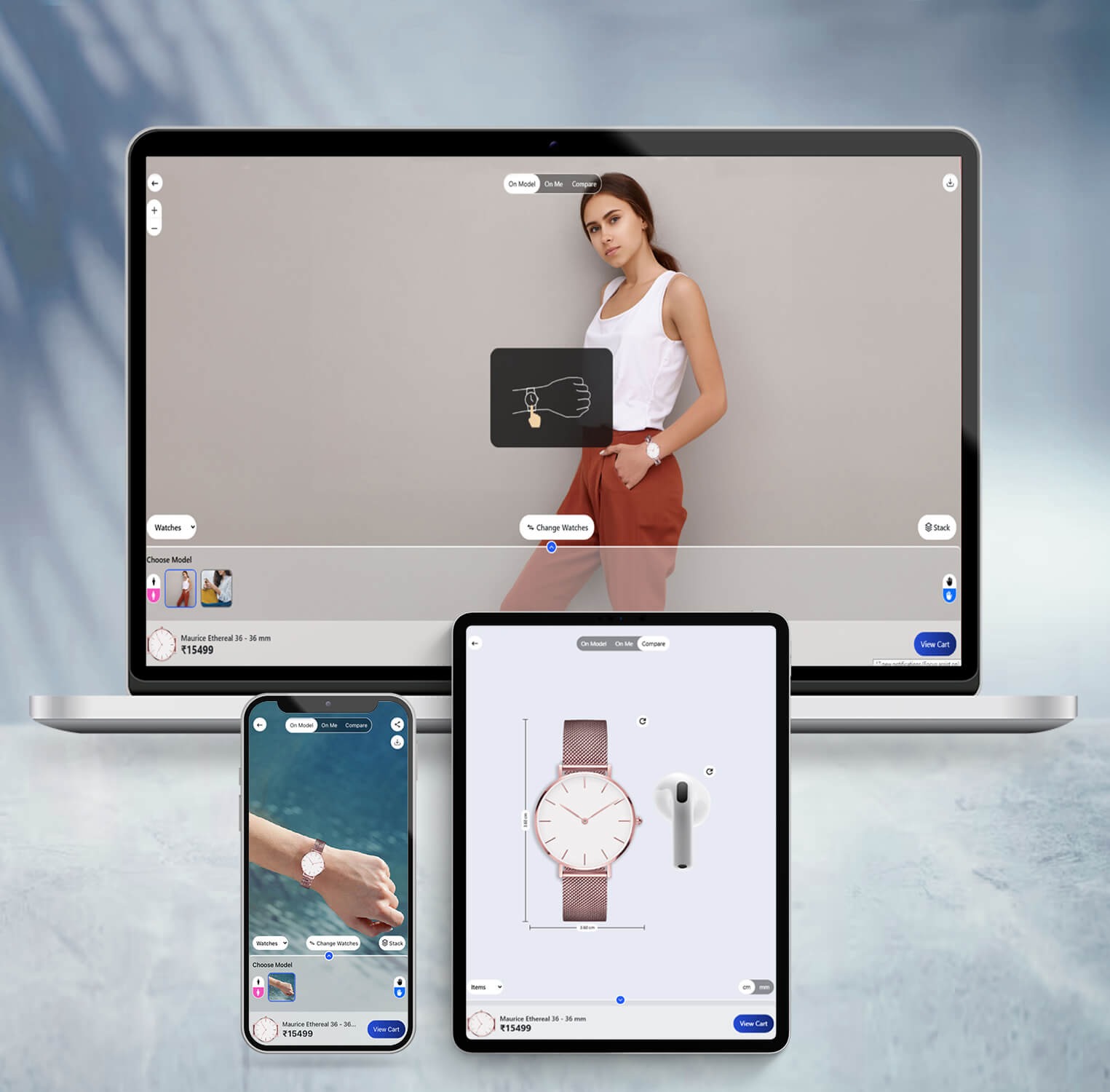
Modern technologies like virtual try-ons, 3D view, and AR-based in-room previews enable shoppers to virtually interact with products. It helps users to visualize the product’s real-time look and how it fits in real life. Also, it reduces the guesswork and uncertainty to build buyer confidence.
This will help customers to make informed decisions, increase satisfaction, and improve conversions.
4. Seamless Omnichannel Journeys
Seamless Omnichannel UX ensures customers get the same kind of experiences on a consistent basis while approaching brands across all touchpoints. It significantly reduces frustration and builds trust; also, customers can start their journey in an online channel and complete it on another effortlessly.
This builds strong brand loyalty and increases customer retention.
5. Micro-Interactions for Delight & Feedback
Micro-Interactions like subtle animations, responsive haptic feedback, etc, help users to understand what’s happening and guide them to the next steps. It feels more responsive and human, turns action into satisfying moments, which will have a positive influence on user trust & engagement.
This will improve usability, reduce friction, and create strong emotional bonds.
6. Accessibility as a UX Standard
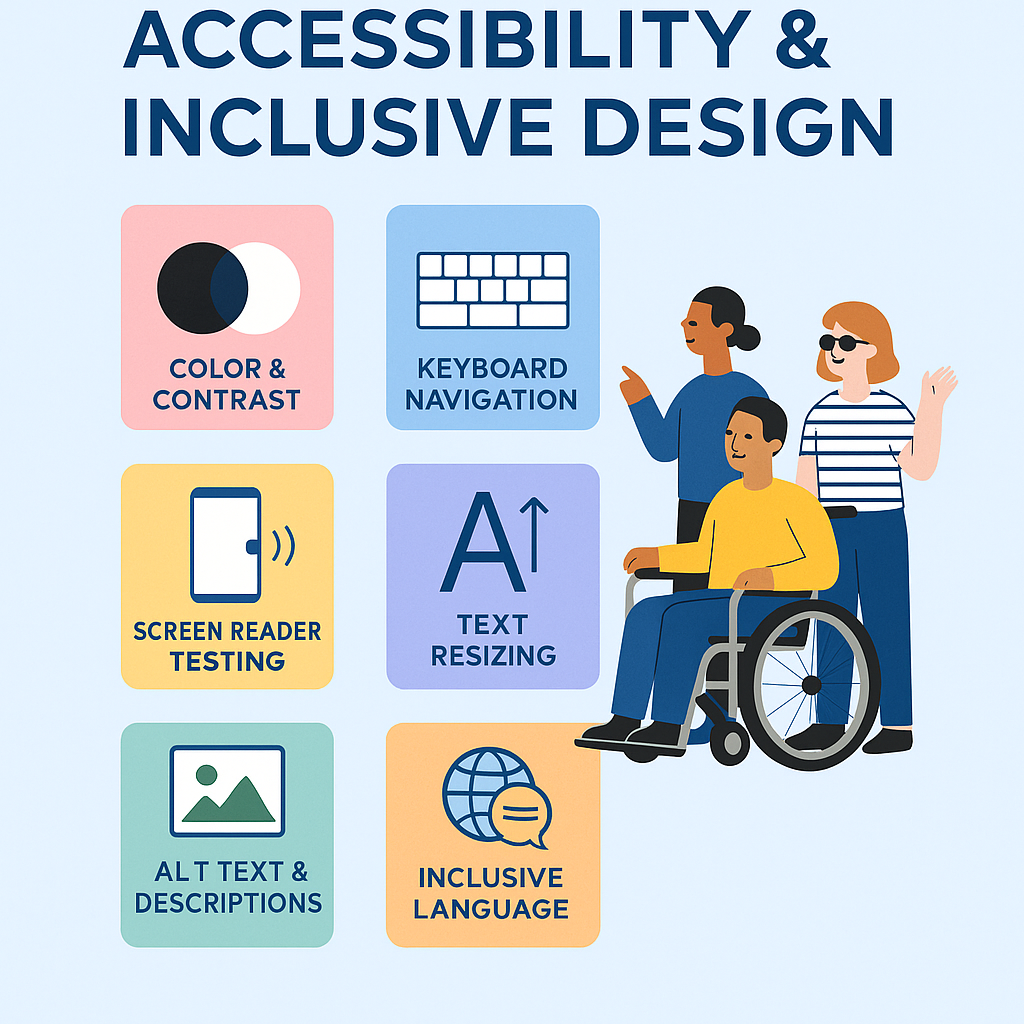
By using inclusive interfaces, keyboard navigation, and screen-reader support, the system can deliver uniform digital retail experiences for users of all abilities. It improves site usability for every customer, apart from just focusing on users with disabilities, and serves a broader customer base.
This will strengthen ethical brand positioning and create more trustworthy digital experiences.
7. Data Transparency & Privacy-First UX
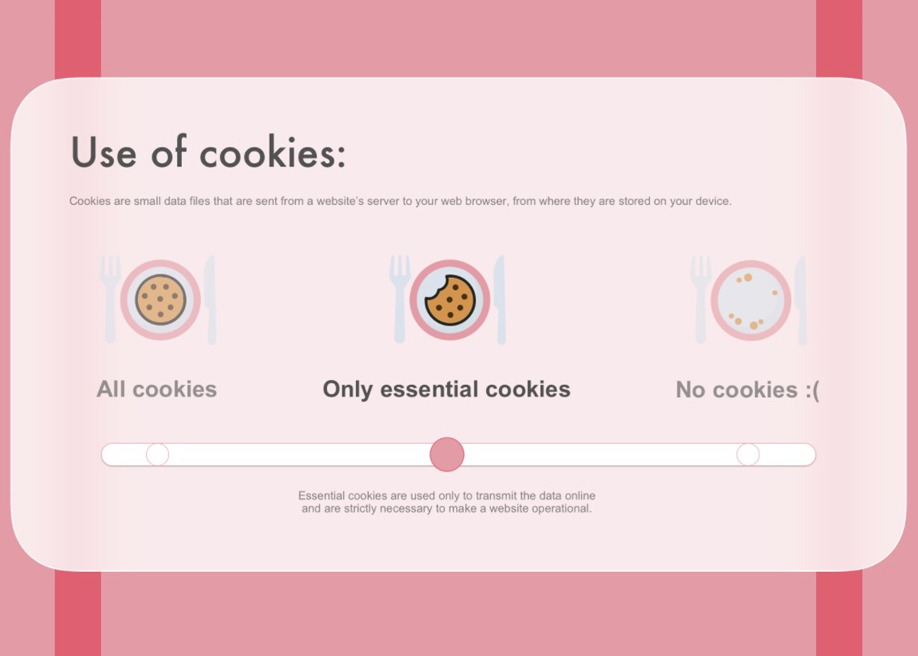
By prioritizing transparency and user control, on-site cookies & user tracking help users to understand how their data is used and give them meaningful choices. With user-friendly data dashboards and granular privacy control, shoppers feel informed and empowered.
This will create stronger customer relationships and build long-term loyalty.
8. Predictive Analytics & Next-Action Prompts
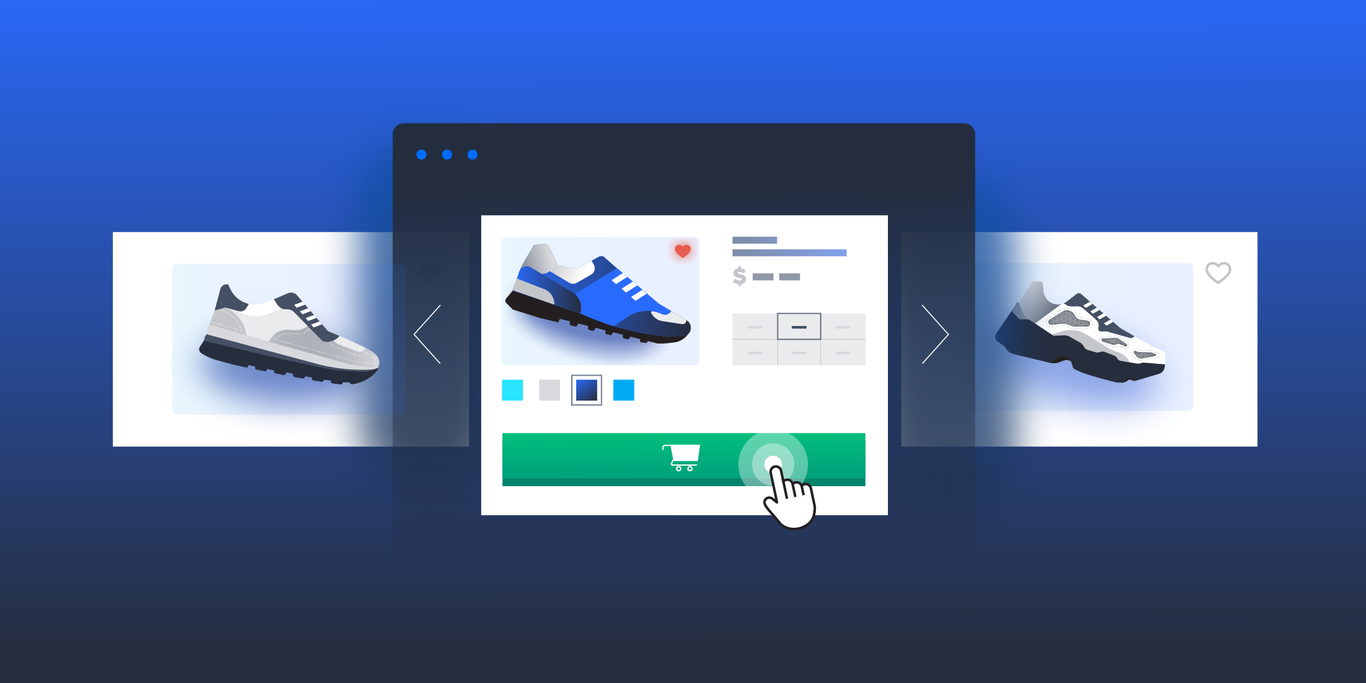
It uses users’ behavioural data and machine learning to predict what the user actually wants before they explicitly express it. With this intelligent & supportive trend, digital retailers can offer smart reorders, timely reminders, and more personalized recommendations to their customers.
This will guide shoppers to minimize decision fatigue, improve UX convenience, and, more importantly, improve user retention with low cart abandonment.

9. Sustainability-Driven UX
It highlights ethical sourcing, carbon footprint labels, and environmentally friendly package options to make eco-conscious options visible to customers. It empowers customers to purchase products with transparency and aligns with personal values.
This will help brands to highlight their environmental responsibility to build brand trust, strengthen loyalty, and stand unique in today’s value-driven marketplace.

10. Zero-UI & Ambient Experiences
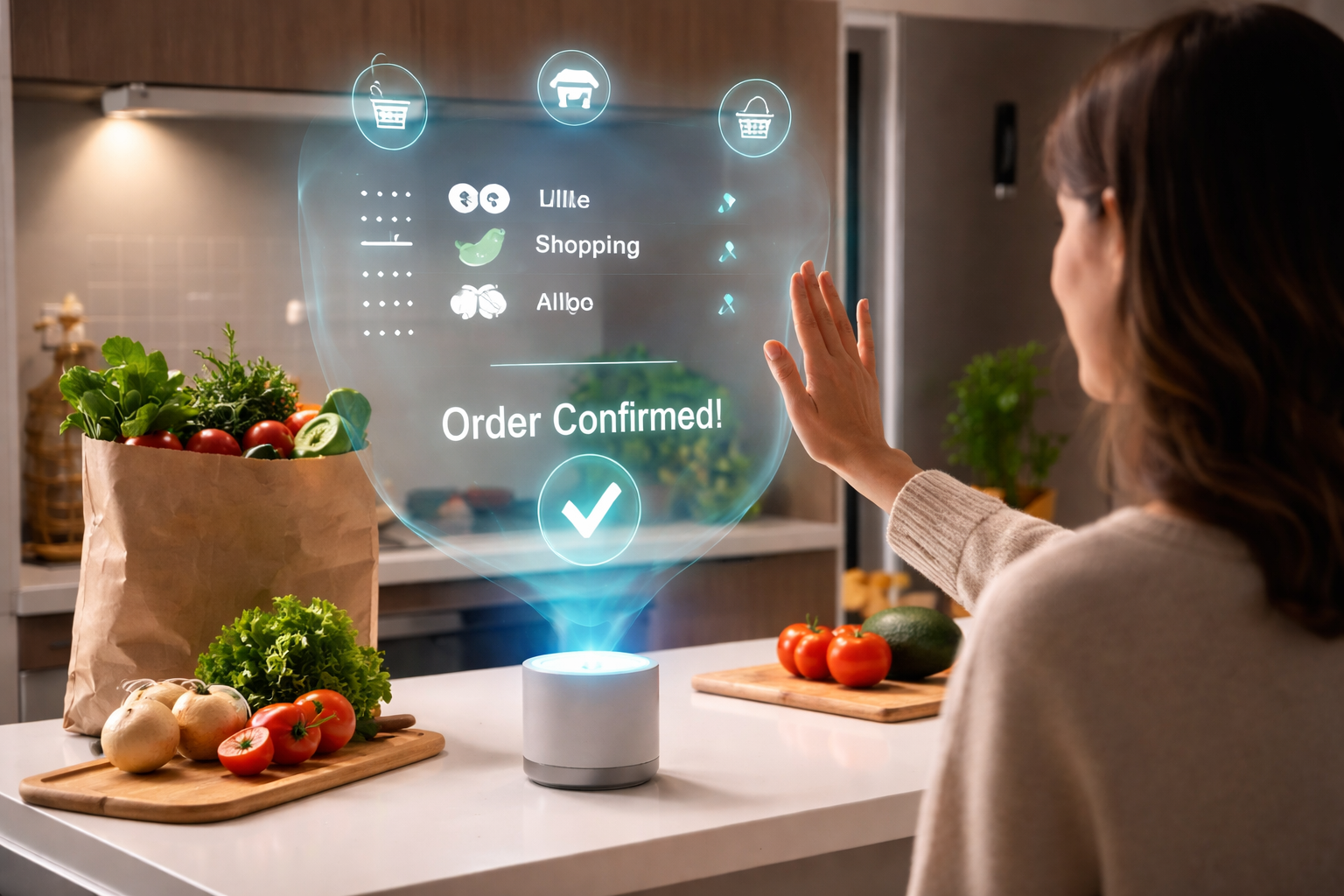
Instead of traditional screens, a system uses gestures, sensors, and contextual automations to interact with the users. Brands that use IoT devices and smart environments to interact with customers can deliver frictionless shopping experiences with this trend.
This will reduce visual clutter and increase user engagement faster, smoother, & natural.
Conclusion
In 2026, the UX trends will reshape digital retail, and it’s going to be more than just another design enhancement or new technologies. It will be a sign of promise to meet all the evolving expectations of modern customers.
Emerging UX trends like AI-driven personalization, immersive shopping, privacy-first design, and sustainability-focused user interfaces will turn the tables towards more human-centric digital interactions. Retailers should evaluate their UX strategy by considering the emerging UX trends for 2026 to gain more engagement, trust, and conversions.
Brands investing in UX will be in a better position in the future market. Great UX leads to happier customers, and happier customers result in stronger business growth.